Little trees pose big danger in forests
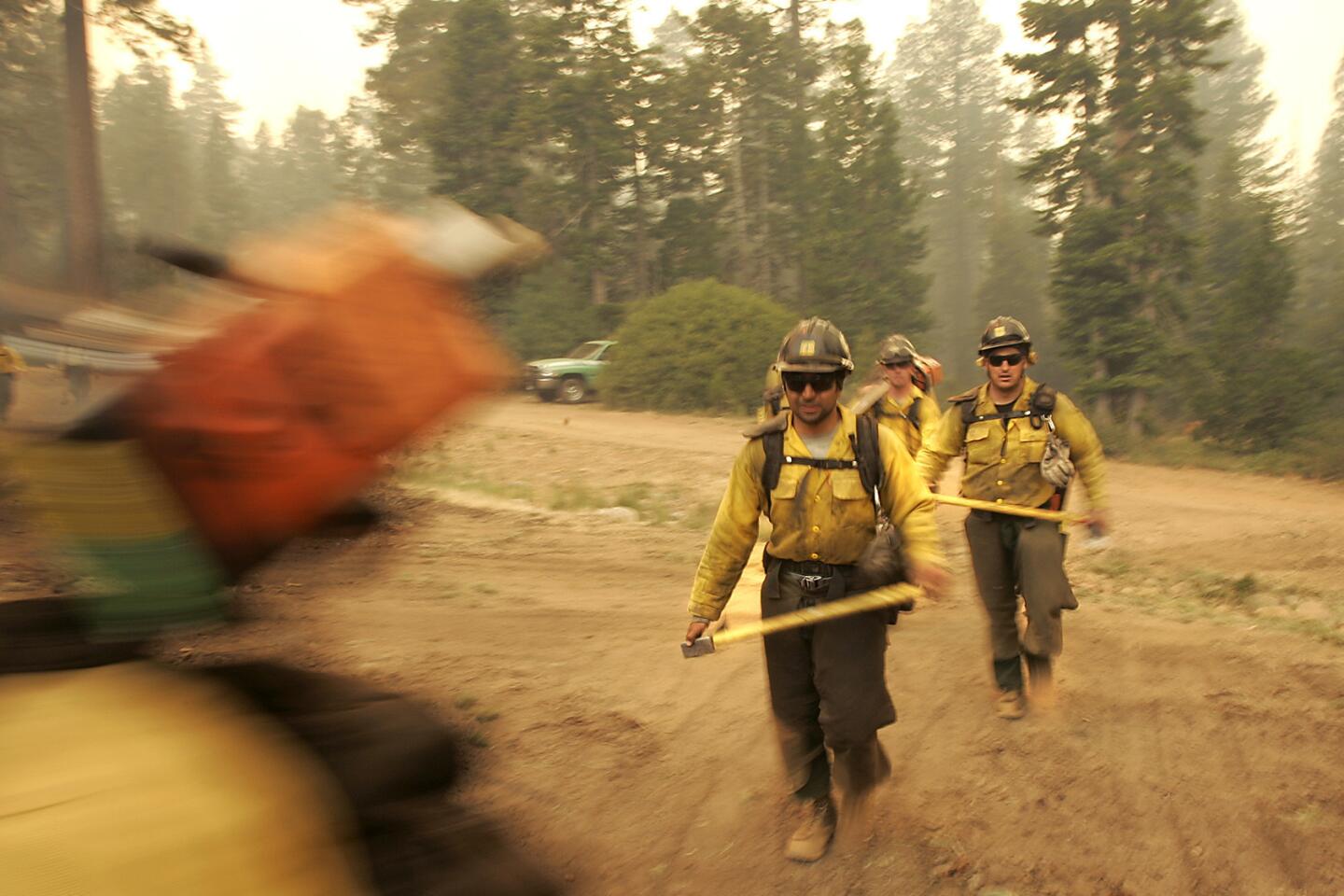
A piece of heavy equipment called a hot saw is slicing through a high-country stand of skinny ponderosa pines like a mechanical Paul Bunyan on steroids. Nearby, a computer-programmed log processor is stripping the branches off cut trees as if it were peeling carrots.
Most of the logs are no more than a foot in diameter -- not big enough to properly be called timber. It’s a haul Dwayne Walker’s grandfather, who skidded fat logs out of Southwestern pine forests with mules and Clydesdales, would have scoffed at.
Not Walker. “We’re thinners. We changed our name,” says the fourth-generation woodsman.
In Arizona’s White Mountains, a U.S. Forest Service project is turning traditional logging on its head in an effort to make the forest less flammable.
Walker’s crew isn’t touching big, commercially valuable trees. Instead it is aiming the hot saw at slender-waisted ponderosas, the kind of dense young growth that can stoke a wildfire like coal shoveled into a furnace.
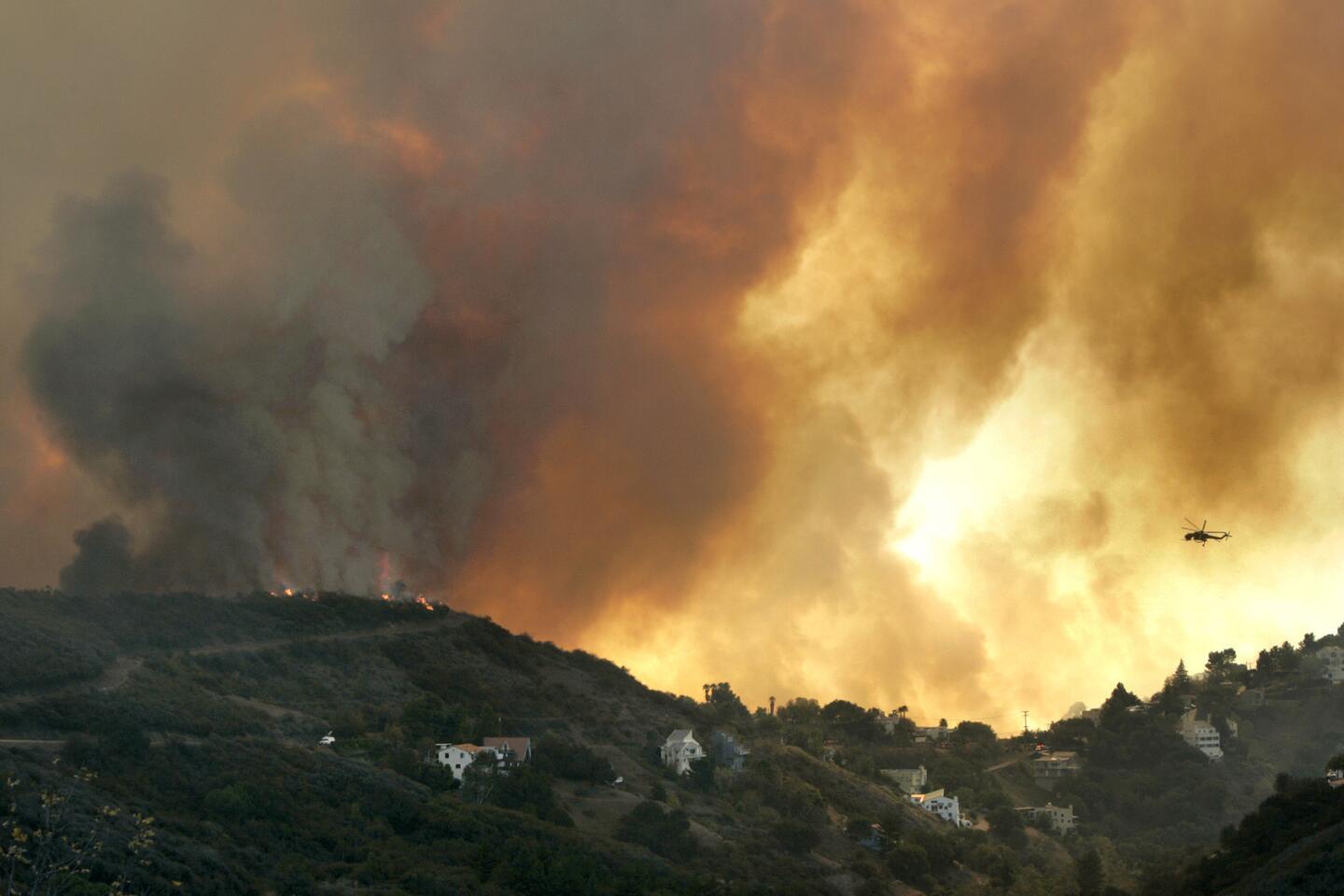
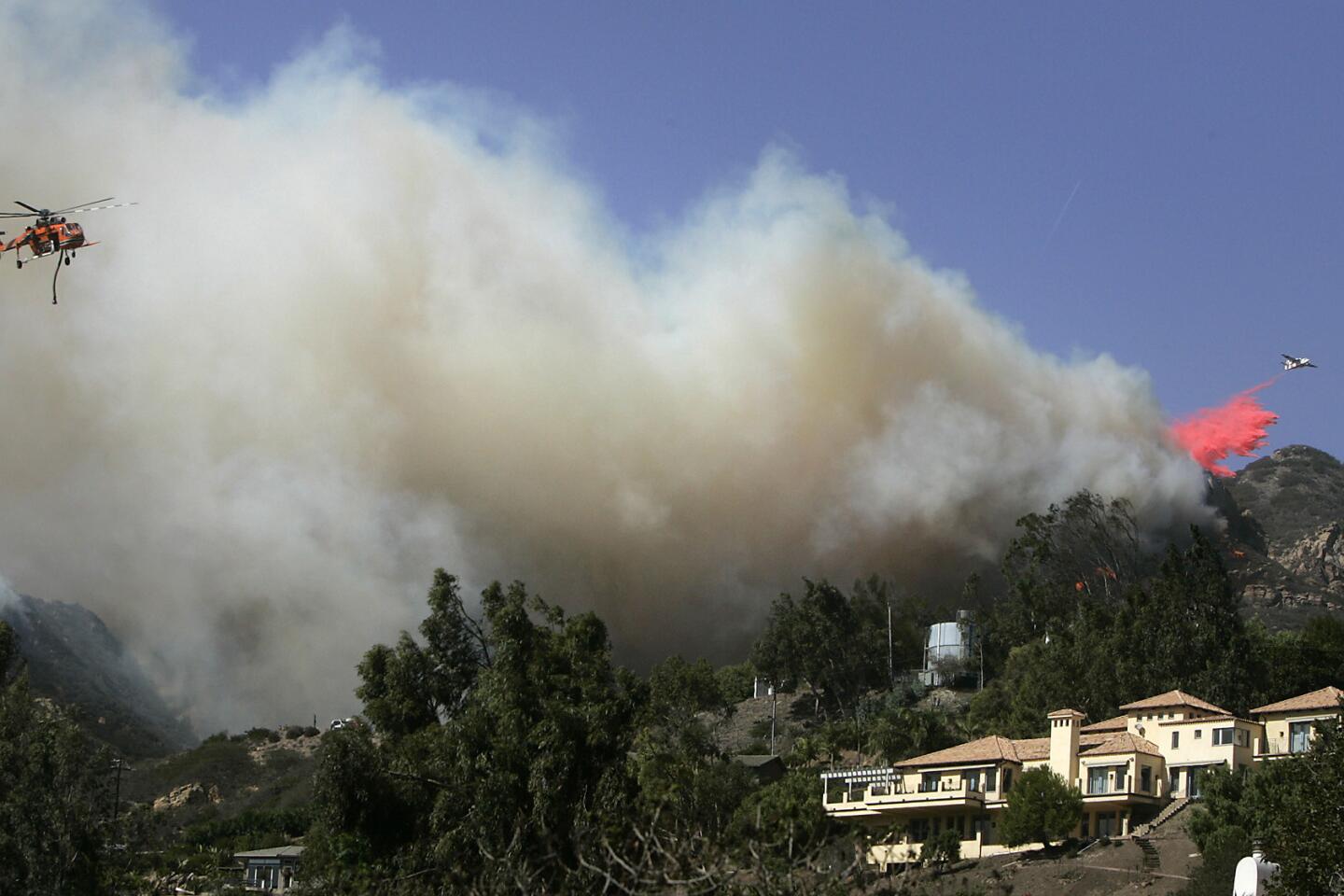
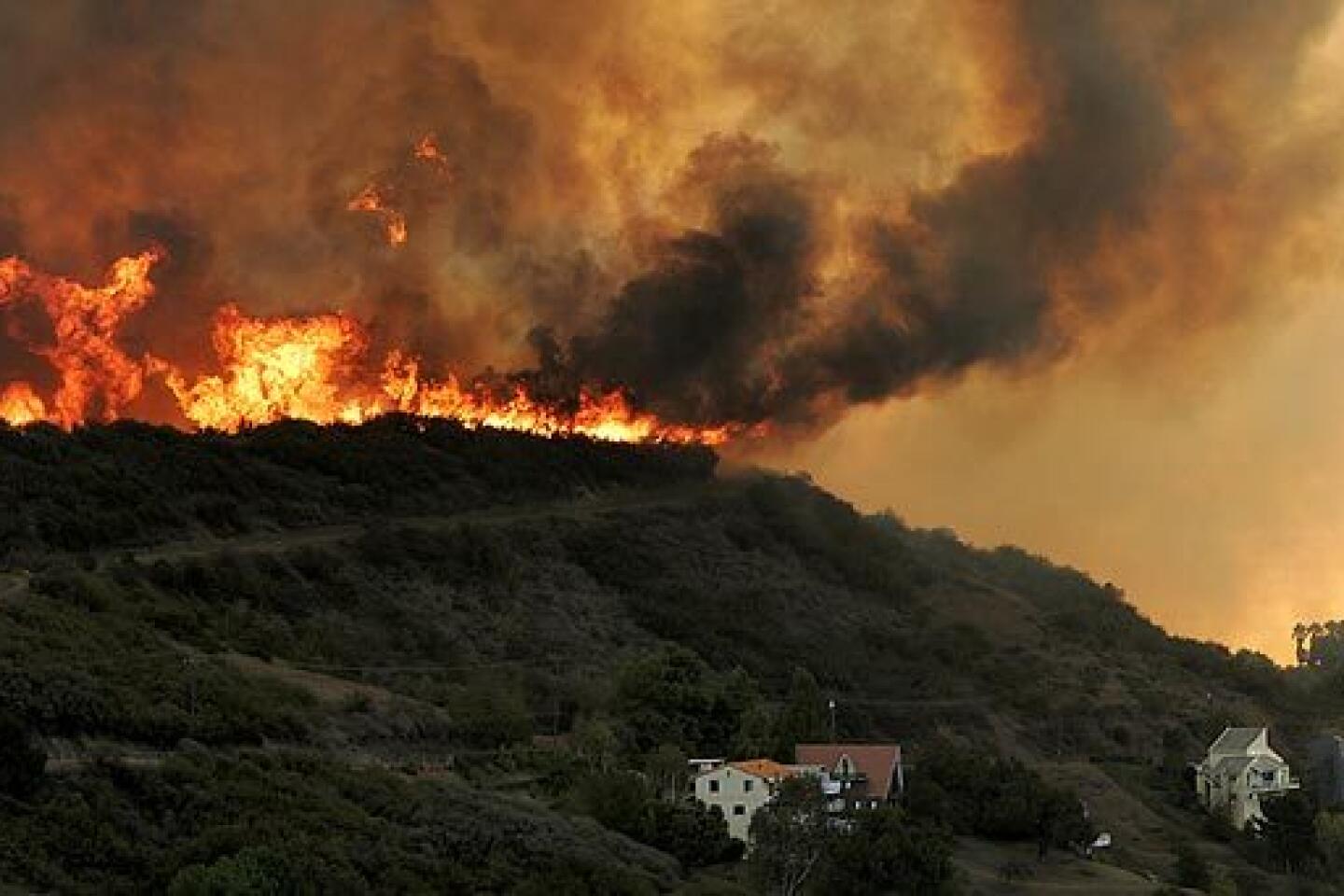
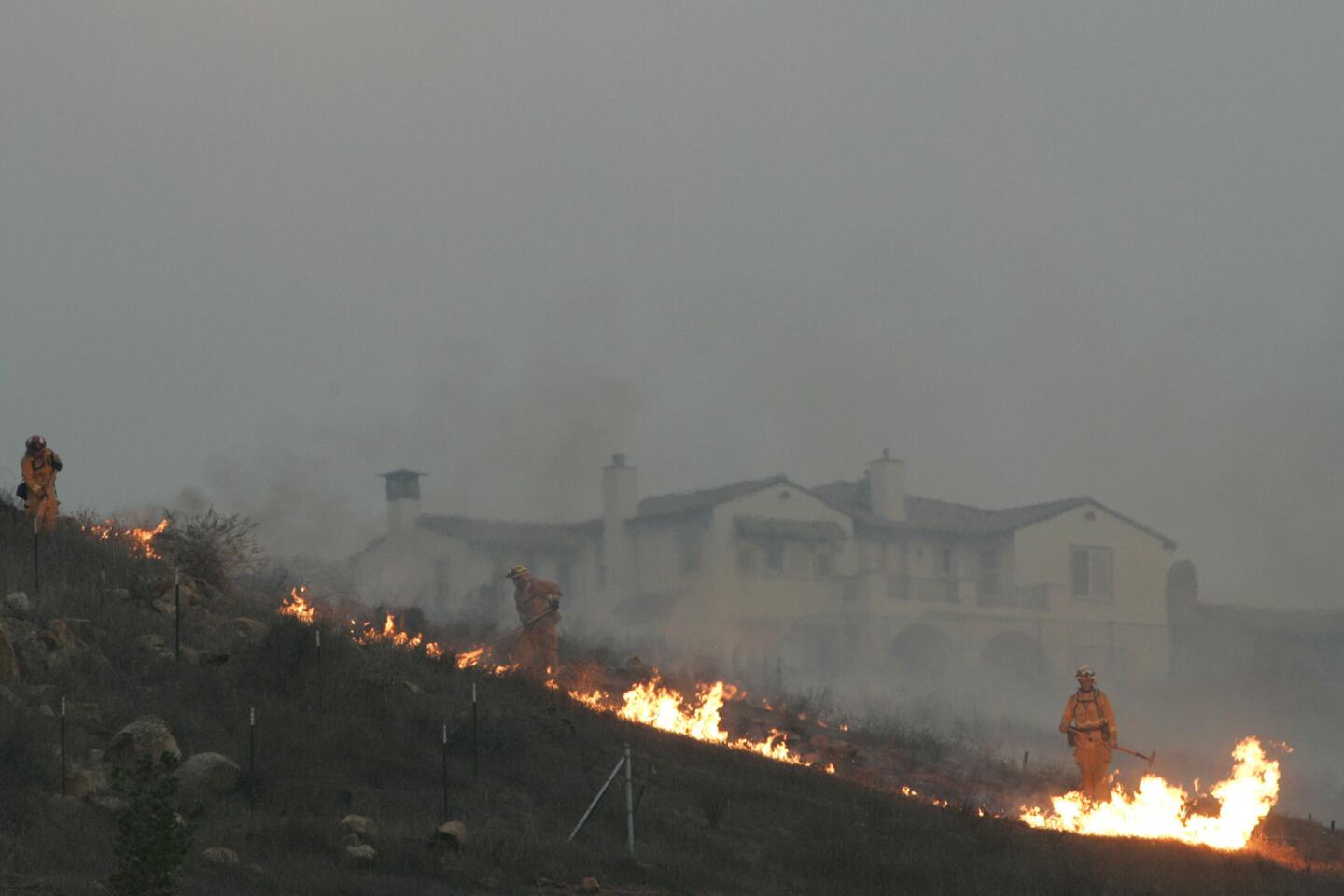
A natural cycle of low-intensity fires once kept these small trees in check. But a century of fire suppression in the nation’s forests allowed them to grow into highly combustible thickets across tens of millions of acres.
Typically, there’s been no market for little trees. The White Mountain Stewardship Project aims to change that by giving wood cutters, mills and other businesses an incentive to turn unwanted growth into wood-stove pellets, paneling and other products.
The project is the brainchild of frustrated locals who watched their traditional logging economy collapse and an iconoclastic forest supervisor.
By the 1990s, environmental lawsuits to protect habitat for the Mexican spotted owl were blocking the heavy logging in the Apache-Sitgreaves National Forest that had helped feed the region’s sawmills for decades.
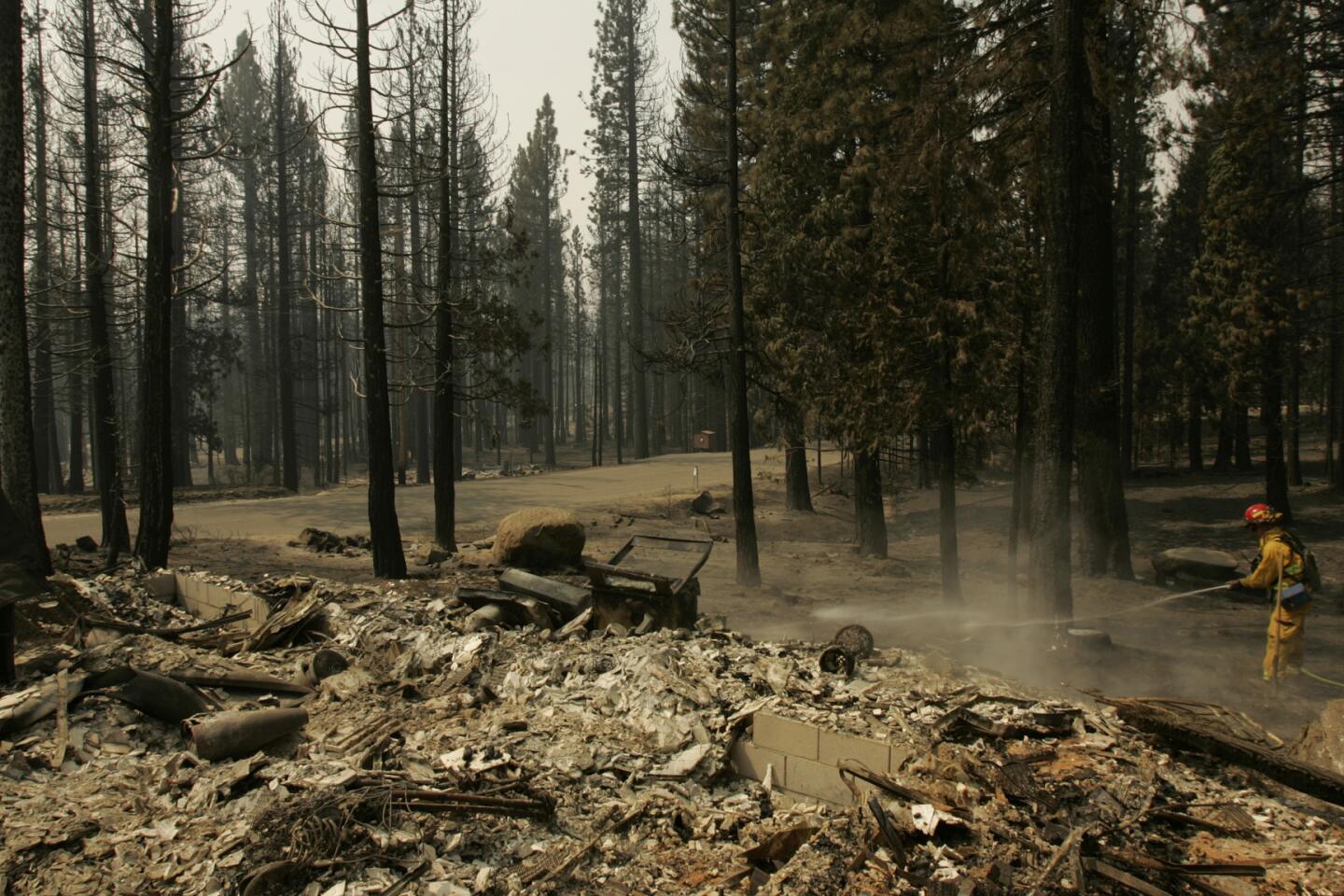
In 1997, community leaders came up with a plan for a demonstration project to cut small trees. Then, in 2002, the Rodeo-Chediski fire burned 468,000 acres of the White Mountains, destroying more than 400 homes.
Much of what burned was dense ponderosa pine stands that used to be logged. In the town of Heber, which borders the national forest, a billboard proclaimed, “Thank you, environMENTALists for making the 2002 fire season all it could be.”
“There was a lot of negative energy,” recalls Elaine Zieroth, who was appointed Apache-Sitgreaves supervisor after the fire.
Zieroth forged a plan to hire local businesses to thin 150,000 acres of the Apache-Sitgreaves over 10 years. She got environmentalists on board by agreeing to generally limit the thinning to trees no larger than 16 inches in diameter.
Terry Reidhead says that if someone had asked him a decade ago to take small-diameter logs, he would have told them “to go to hell.” A flirtation with bankruptcy changed his family’s thinking. These days, small logs are mostly what comes through the Reidhead Brothers operation, which manufactures paneling, flooring and siding on the outskirts of Springerville.
The Forest Service gave him a $250,000 grant to install new equipment. He has a handshake agreement with Walker to supply the mill with wood from the White Mountains project. He has found a market for his products in Mexico and has done better than he expected.
Over at Arizona Log and Timberworks, 4-inch-diameter pine logs are stacked like bunches of giant, blond pencils. Here Randy Nicoll and his brother Keith, buoyed by $300,000 in federal grants, use wood from Walker to make fence railings, utility poles, log trusses and decorative posts.
In Show Low, about 40 miles west of Springerville, trees too wispy for Reidhead and Nicoll are chipped and processed into wood heating pellets the size of rabbit food. To the northwest, in Snowflake, a recently built biomass plant is burning wood chips from the project to produce power for Arizona utilities.
Still, the White Mountains project depends on a heavy infusion of federal cash. Walker’s W.B. Contracting has received $700,000 from the Forest Service since 2000. His partnership with the pellet company, Forest Energy Corp., pays the Forest Service for trees larger than 12 inches in diameter but receives a federal subsidy, an average of $500 an acre last year, to remove the smaller ones.
The Bush administration has advocated cutting larger, commercially valuable trees on public lands to subsidize small-tree thinning. Zieroth didn’t want to do that. “We would be cutting the trees we should be leaving,” she said.
The Forest Service has spent roughly $15 million on the White Mountains thinning. The entire 150,000-acre project could cost more than $80 million. Zieroth, who retired in December, says the expense is worth it. Putting out forest fires without dealing with the fuel buildup, she says, “just perpetuates the problem” because “you’re not treating the root cause.”