Latest From This Author
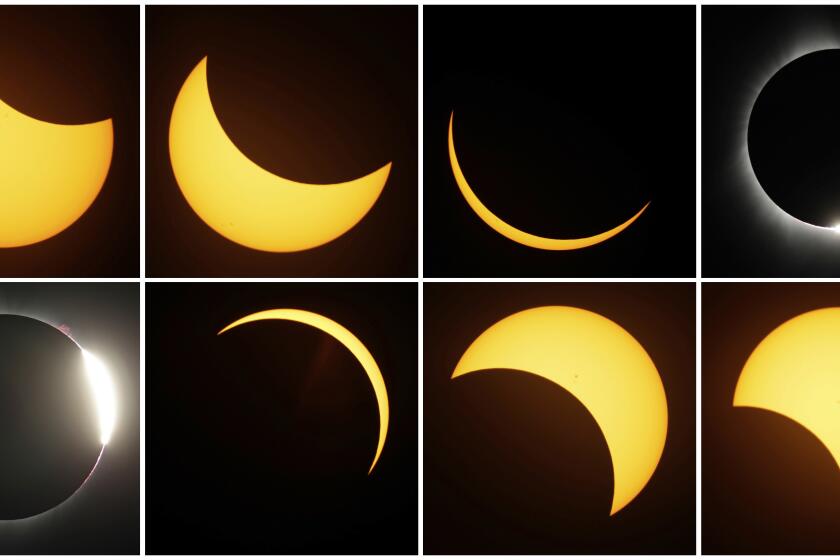
Why would someone journey across the country to watch a total eclipse? Because it’s more than just an astronomical rarity: It may be the best show in the universe.
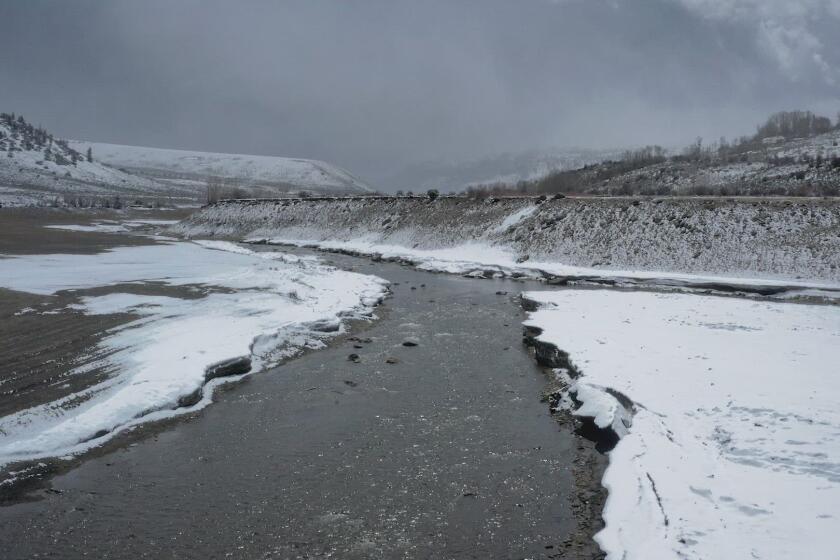
Colorado River in Crisis is a series of stories, videos and podcasts in which Los Angeles Times journalists travel throughout the river’s watershed, from the headwaters in the Rocky Mountains to the river’s dry delta in Mexico.
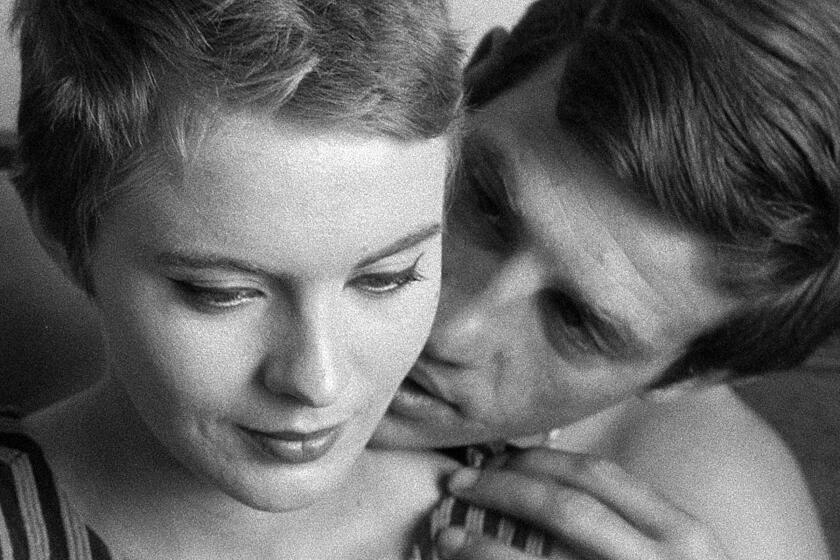
How many films? Maybe 70? A cinephile’s obsession with the French master leads to a years-long hunt for VHS and DVDs, followed by the ultimate binge.
Alvin recalls his long friendship with Gerald Locklin and the night in the 1970s the Long Beach State professor-poet let him teach class.
Gerald Locklin, who died of COVID-19 this year, was a poet-professor who helped shape West Coast literature and turn Long Beach into a poetry hub. A Times staff writer who was his student and others reflect on his influence.
Admired by Charles Bukowski and legions of Cal State Long Beach students
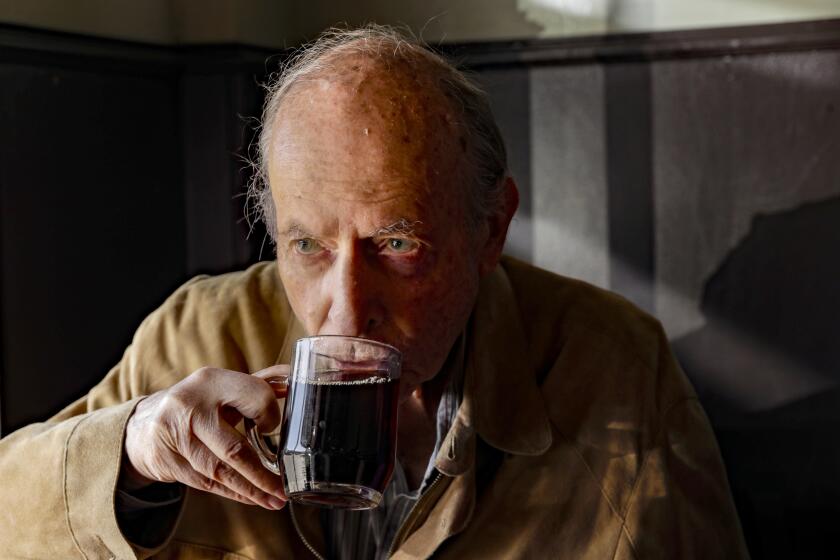
Over half a century in two countries, with vastly different cultures and filmmaking languages, Passer directed a steady series of much-admired and often underappreciated films of economy, fidelity, humor and subtle beauty, among them “Intimate Lighting,” “Cutter’s Way,” “Stalin,” “Haunted Summer” and “Born to Win.”
The great filmmaker Milos Forman never spoke about his defection. In fact, he never called it a defection.
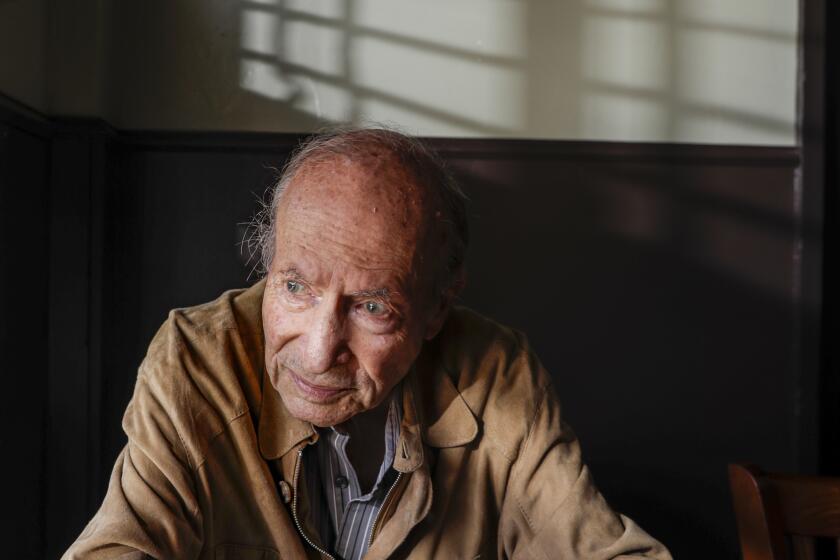
Czechoslovakia owes its unfortunate history to its lot as a main stage for the great conflicts of the 20th century.
The friendship between Czech New Wave pioneers Milos Forman and Ivan Passer was crucial in the life of the man who directed ‘Amadeus’ and ‘One Flew Over the Cuckoo’s Nest.’


