Features

Rebel Wilson and team opt to keep parts of her book ‘Rebel Rising’ from hitting some shelves — to avoid legal backlash from former co-star Sacha Baron Cohen.


Jennifer Garner and Laura Dave want you to not be precious with books
4:21

Jemele Hill’s weirdest writing habit might be the best?
2:47

Katie Porter on smells and the reading abilities of some in Congress
1:35

Gabrielle Zevin on how TikTok is a perfect platform for her book
2:19

Meghan Trainor writes in an interesting spot
1:39

Max Greenfield doesn’t listen to his kids
1:46

George M. Johnson writes the books they didn't have as a kid
3:45

Rachel Lindsay’s favorite writing snack? Wine
2:19

The LadyGang’s favorite word had to be bleeped
3:12

Idina Menzel and Cara Mentzel answer our very important questions
2:34
The Ultimate L.A. Bookshelf

Your ultimate L.A. Bookhelf is here — a guide to the 110 essential L.A. books, plus essays, supporting quotes and a ranked list of the best of the best.
Literary L.A.

A guide to the literary geography of Los Angeles: A comprehensive bookstore map, writers’ meetups, place histories, an author survey, essays and more.
More on Books


L.A. Times Book Club
Meet world-class authors and newsmakers
Jan. 28: Dean Koontz, “The Bad Weather Friend.”
2023: Dec. 12: California Poet Laureate Lee Herrick. Watch.
Nov. 14: AI Book Club Night with Fei-Fei Li (“The Worlds I See”); Joy Buolamwini (“Unmasking AI”); and Brian Merchant (“Blood in the Machine). Watch.
Martin Baron, “Collision of Power.” Watch.
Walter Isaacson, “Elon Musk.” Watch.
Christian Cooper, “Better Living Through Birding.” Watch.
Luis Alberto Urrea, “Good Night, Irene.” Watch.
Elliot Page, “Pageboy.”
LeVar Burton and the State of Banned Books. Watch.
Gabrielle Zevin, “Tomorrow, and Tomorrow, and Tomorrow” at Festival of Books.
Annalee Newitz, “The Terraformers.” Watch.
Brendan Slocumb, “The Violin Conspiracy.” Watch.
Tracy Kidder, “Rough Sleepers.” Watch.
2022: Celeste Ng, “Our Missing Hearts.” Watch.
Percival Everett, “Dr. No.”
Lydia Millet, “Dinosaurs.”
Silvia Moreno-Garcia, “The Daughter of Doctor Moreau.” Watch.
Keith Corbin, “California Soul.” Watch.
Jennifer Grey, “Out of the Corner.”
Ibram X. Kendi,”How to Raise an Antiracist.”
Pico Iyer, Maggie Shipstead, Michelle Tea, Colleen Kinder (“Letter to a Stranger”) Watch.
Amanda Gorman, “Call Us What We Carry.” Watch.
Reyna Grande, “A Ballad of Love and Glory.” Watch.
Jane Goodall, “The Book of Hope.” Watch.
Stephanie Land, “Maid.” Watch.
2021: Ann Patchett, “These Precious Days.” Watch.
Nikole Hannah-Jones (“The 1619 Project”) with Kevin Merida. Highlights.
Ron and Clint Howard, ”The Boys.” Watch.
Jaime Lowe, “Breathing Fire.” Watch.
Billie Jean King, “All In.” Watch.
Rodrigo Garcia, “A Farewell to Gabo and Mercedes”. Watch.
Michele Harper, “The Beauty in Breaking.” Watch.
Charles Yu, “Interior Chinatown.” Watch.
Barack Obama (“A Promised Land”) with Ava DuVernay. Highlights.
Join: L.A. Times Book Club newsletter.
Support: Los Angeles Times Community Fund.

Sign up for our Book Club newsletter
Get the latest news, events and more from the Los Angeles Times Book Club, and help us get L.A. reading and talking.
You may occasionally receive promotional content from the Los Angeles Times.
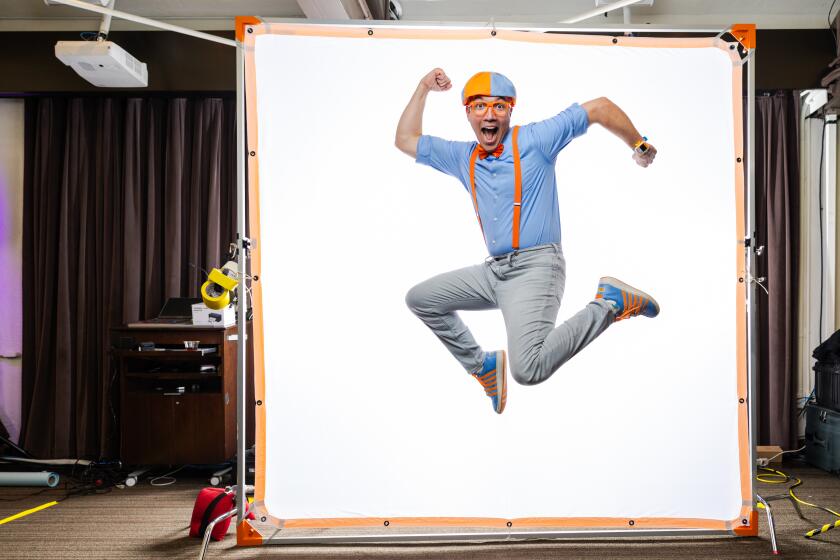
The 29th Los Angeles Times Festival of Books returned to USC with a first-ever livestream of activities.
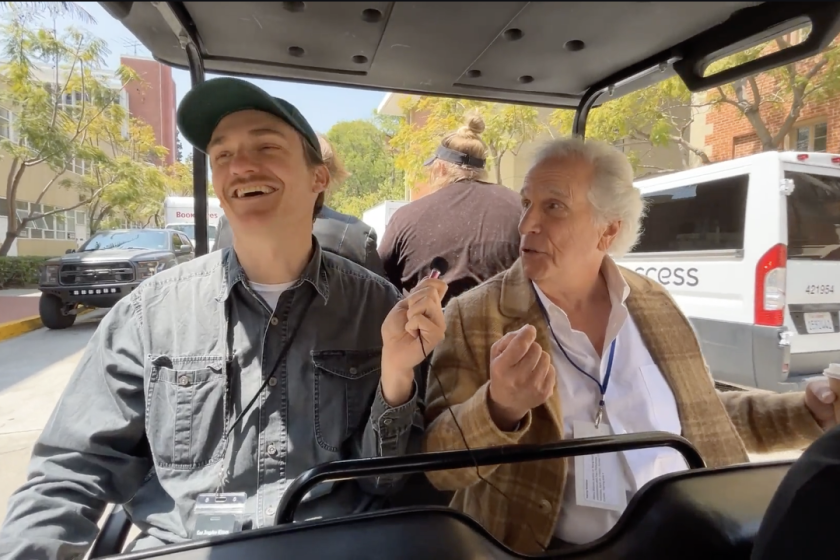
Henry Winkler has one question: “Is my hair being blown out of proportion here?”
Miss the Los Angeles Times Festival of Books in person?
Jessica Ferri, owner of Womb House Books, shares the panels she’s most excited about at the 2024 Festival of Books
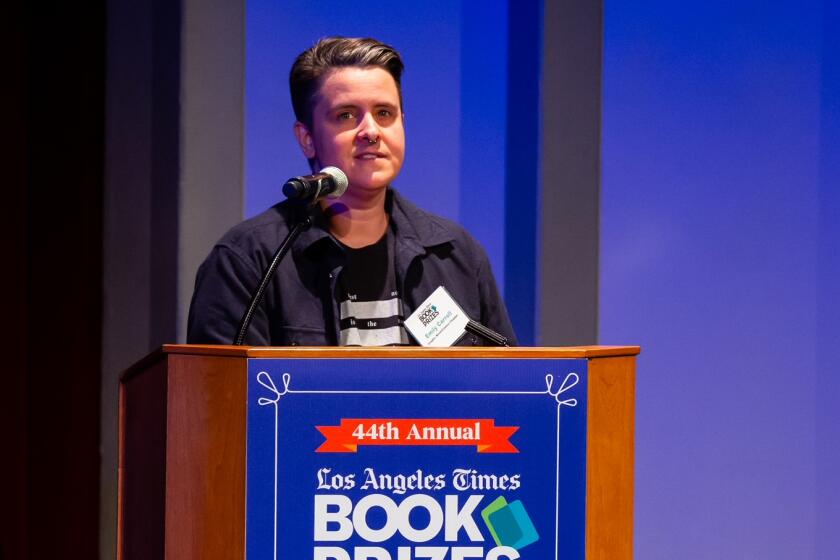
Winners at the 2024 L.A. Times Book Prizes included Ed Park for fiction, Ivy Pochoda for mystery/thriller and the pro-Palestinian commencement speaker whose name has become a rallying cry for free speech.
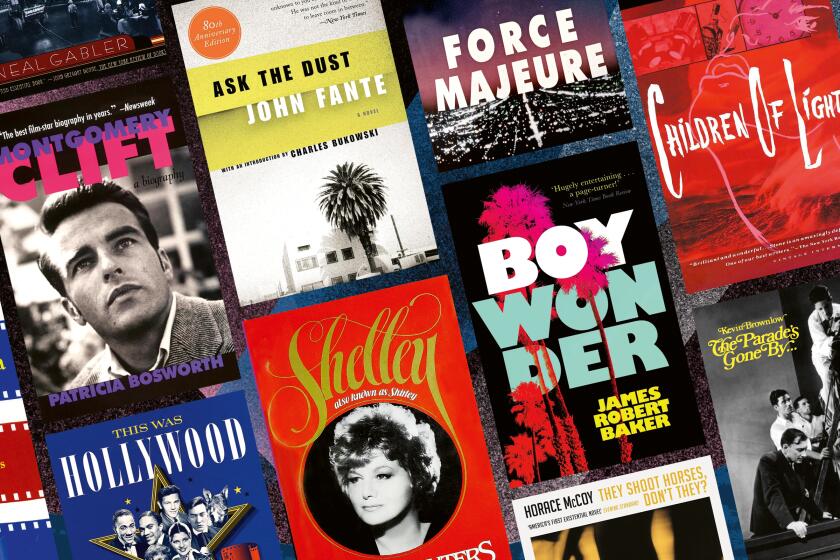
We chose our Ultimate Hollywood Bookshelf, and readers responded with the many, many titles we missed. Here are some of the best responses.
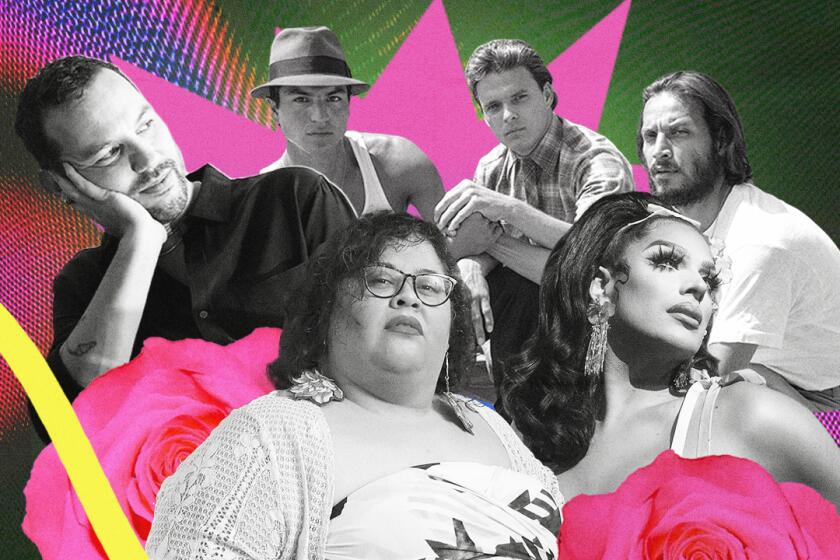
From the power of the Latinx vote to first-generation experiences to poetry, here’s what to expect at the Latinidad Stage at the L.A. Times Festival of Books.
‘Confessions of a Shopaholic’ scribe Sophie Kinsella reveals she was diagnosed with glioblastoma in 2022. Since then she’s had surgery, radiation and chemo.
The Southern California Independent Bookstore Bestsellers list for Sunday, April 21, 2024, including hardcover and paperback fiction and nonfiction.
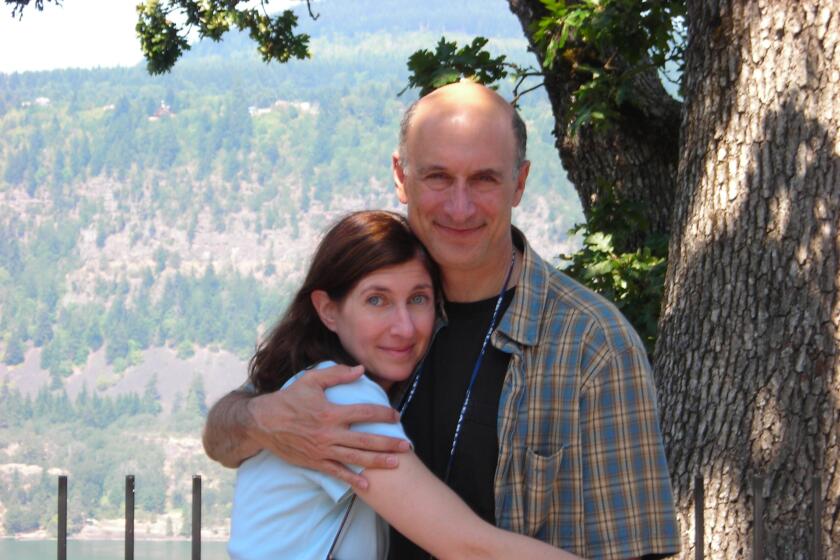
When bereavement books didn’t help Warren Kozak, he decided to write his own. Only after he was done did he realize that his book about loss was really a book about love.


Weekly hardcover fiction and nonfiction lists.